Basement Waterproofing NJ: Warning Signs Hidden Behind Basement Walls
A basement rarely announces trouble with a dramatic flood at the start. More often, water problems begin quietly, behind finished walls, beneath flooring, along the joint where concrete meets footing, or inside cinder block cavities that stay out of sight until damage is well underway. By the time a homeowner notices peeling paint, a musty smell, or warped trim, the real problem has usually been active for months, sometimes for years.
That is what makes basement moisture so costly in New Jersey homes. The state has an unusually wide mix of housing stock, from older fieldstone and block foundations to mid-century poured concrete basements and newer finished lower levels built to function like living space. Add heavy rains, freeze-thaw cycles, high seasonal groundwater in some areas, and clay-rich or poorly draining soils in others, and you get conditions that punish weak waterproofing details. A dry basement in August does not necessarily mean a healthy basement in March.
Homeowners shopping for Basement Waterproofing NJ services often focus on the obvious symptom, a wet floor after a storm. In practice, the more revealing clues are often hidden behind the walls. Some are subtle enough to miss unless you know how moisture behaves inside a foundation system. Others look like cosmetic wear when they are actually signs of pressure, seepage, or chronic humidity moving through the basement envelope.
Why basement walls hide the real story
Most finished basements are built to conceal the exact surfaces that matter most. Stud walls, insulation, drywall, paneling, shelving, and flooring all sit in front of concrete or block that may be taking on moisture from the outside. Once that assembly is closed up, the space can hold damp air and trap water long before anyone sees standing water.
Concrete and masonry also complicate the picture because they do not need a visible crack to pass moisture. Water vapor can migrate through porous material. Liquid water can seep through hairline openings, tie rod penetrations, mortar joints, and cold joints. In block foundations, water can collect inside the hollow cores and travel laterally before finally appearing several feet away from where it entered. That is why homeowners are often confused when the carpet is damp on one wall, but the actual exterior grading issue is on another side of the house.
I have seen basements where the drywall looked nearly perfect from the room side, yet the back of the sheetrock was blackened with mold and the bottom plate had begun to rot. In another case, a homeowner blamed a dehumidifier failure for a persistent smell, but once we opened a small inspection area behind built-in shelving, there was visible mineral staining on the concrete and wet fiberglass insulation packed tightly against the wall. The basement had not flooded in the dramatic sense people picture. It had simply been wet, over and over, in small amounts, until the wall cavity became its own humid microclimate.
The early warning signs most people dismiss
The first clues are often sensory rather than visual. A basement that smells earthy after rain, feels cooler and clammy near one corner, or carries a stale odor when the HVAC is off is telling you something. Finished surfaces can hide the path of water, but they rarely hide the air changes that come with moisture.
Watch for these common signs before water ever appears on the floor:
- A persistent musty odor that gets stronger after storms or during humid weather
- Paint bubbling, drywall tape lifting, or trim swelling near the bottom of walls
- White, chalky residue on exposed foundation surfaces, called efflorescence
- Rust on metal studs, columns, furnace bases, or fasteners in one area of the basement
- Flooring that cups, softens, or feels cool and slightly damp along perimeter walls
Each of those symptoms has a physical explanation. Musty odors usually mean organic material has been damp often enough to support mold growth, even if you cannot see it. Bubbling paint and lifted tape suggest moisture is migrating from the wall side outward. Efflorescence forms when water moves through masonry, dissolves natural salts, and leaves them behind as it evaporates. Rust is a particularly useful indicator because steel responds quickly to repeated moisture exposure, especially in unfinished areas where you can compare one part of the basement to another.
A cool, damp floor edge can point to water entering at the cove joint, the seam where basement wall and floor slab meet. Many homeowners assume the wall itself is leaking, and sometimes it is, but the pressure may actually be forcing groundwater up at that lower joint. If you only repaint the wall or seal the visible surface, you have not addressed the source.
What may be happening behind drywall and paneling
The area behind a finished basement wall can fail in several different ways, and each one calls for a different response. This is where experience matters more than generic advice.
One common condition is slow seepage through a foundation wall that wets insulation and the back side of drywall. If the wall is framed tight against the foundation with fiberglass batts touching masonry, moisture gets trapped where drying is poor. The result is often mold growth at the lower few feet of the assembly, deteriorated base trim, and hidden damage to studs or plates. The room may look fine until somebody removes a baseboard or opens the wall for an unrelated repair.
Another pattern involves condensation rather than bulk water entry. Basements are naturally cooler, especially in summer. When warm, humid air meets a cool wall surface or an uninsulated water line inside the wall cavity, condensation can develop repeatedly. Homeowners sometimes mistake this for a foundation leak. The fix is different. Instead of exterior drainage work alone, the solution may include air sealing, insulation adjustments, vapor control, and dehumidification.
Then there is hydrostatic pressure, which is a major issue in many Basement Waterproofing NJ projects. When soil around the foundation becomes saturated, water pushes against the wall and under the slab. That pressure finds weak points. In poured concrete, it may show up as seepage through cracks or at the cove joint. In block walls, water can fill the cores and create damp bands, staining, or leakage at mortar joints. In more severe cases, pressure contributes to wall bowing, step cracking, or inward movement that begins subtly and worsens over time.
A fourth scenario involves outside water management failures that send roof or surface runoff directly to the foundation. This includes short downspouts, clogged gutters, negative grading, sunken patio slabs, and driveway slopes that pitch water toward the house. These are often overlooked because the basement symptom appears indoors, while the root cause is only visible outside during active rain.
Reading the clues on unfinished sections of the basement
If part of your basement is unfinished, that area usually gives away more than the finished side. Exposed concrete, joists, columns, and utility penetrations act like evidence at a scene. You are looking for pattern, timing, and concentration.
A vertical stain from a crack tells a different story than broad dampness along the floor edge. A rust ring around a pipe penetration points to seepage at that opening. Darkened sill plates or joist ends near one wall may suggest chronic high moisture where the foundation meets framing. Efflorescence that rises several feet up a wall can indicate repeated saturation rather than one isolated leak.
You can learn a lot just by checking after three kinds of weather: a heavy rain, a long wet stretch over several days, and a humid summer period with no rain. If the basement smells wet only after storms, suspect bulk water intrusion or drainage issues. If it feels damp in muggy weather but not after rain, humidity and condensation move higher on the list. If the problem appears after snowmelt or during spring thaw, groundwater pressure may be a major factor.
This kind of observation matters because waterproofing is not one product. It is a system diagnosis. A homeowner who sees one damp spot may think, “I just need sealant.” In reality, one basement may need exterior grading corrections and downspout extensions, another may need an interior drain system with a sump pump, and another may need crack injection combined with humidity control. The right fix depends on how water is entering, where it is traveling, and what the foundation type allows.
Cracks that deserve closer attention
Not every crack means structural danger, and not every wet basement has obvious cracks. Still, crack patterns deserve respect. The details matter more than the mere presence of a line in concrete.
Hairline shrinkage cracks in poured concrete are common. Some stay dry forever. Others become active pathways under the right soil and weather conditions. If a crack shows dampness, staining, or signs of repeated patching, it is no longer just cosmetic. A crack that widens toward one end, offsets from one side to the other, or leaks regularly during rain deserves a closer look.
Block foundations create a different set of concerns. Stair-step cracking along mortar joints can signal settlement or lateral movement. Horizontal cracking in the middle portion of a wall can be more serious because it may indicate pressure from saturated soil outside. Bowing walls, even if slight, should never be brushed aside as an old-house quirk. I have seen homeowners normalize an inward lean because it changed slowly over years. The wall may remain standing, but the cost and complexity of repair usually increase with delay.
A responsible contractor will separate water-entry cracks from structural issues, even when both are present. Some cracks are best treated with injection methods. Others require drainage relief first. And some are less about waterproofing than they are about stabilization.
New Jersey conditions that make basement moisture tricky
Basement problems in New Jersey are not uniform from one county to the next. Soil type, lot grading, age of home, and proximity to water all matter. A home in a dense older neighborhood with mature trees, patched sidewalks, and original drainage may face a very different moisture profile than a newer suburban build with a high-finish basement and a buried discharge line.
Older homes often have stone or block foundations that were never intended to be fully conditioned living space. When those basements are finished without rethinking moisture management, the assembly can fail quietly. Mid-century homes may have concrete walls with aging parging, deteriorated perimeter drainage, or long-settled patios that now direct runoff inward. Newer homes are not immune either. I have seen recently built basements with improper grading, clogged window well drains, and sump systems that discharged too close to the foundation.
Freeze-thaw is another factor people underestimate. Small cracks and weak joints that seem manageable in dry weather can worsen when water enters, expands during freezing, and opens pathways over time. What begins as slight seepage can become repeated intrusion over several winters.
That is one reason Basement Waterproofing NJ is not a service that should be approached as a one-size-fits-all product sale. A proper assessment has to consider local drainage patterns, recent storm behavior, the age and design of the house, and whether the basement is unfinished utility space or intended as occupied square footage.
Interior symptoms that are easy to misread
Homeowners often fix the symptom that irritates them most rather than the condition causing it. Fresh paint covers stains for a while. New baseboards hide swollen old ones. A https://jasperqioj147.valiantfield.com/posts/how-basement-waterproofing-nj-can-prevent-basement-flood-emergencies stronger dehumidifier masks odor without stopping water entry. None of that changes what is happening inside the wall.
Some of the most misleading symptoms include intermittent mold on stored items, recurring spider or insect activity in one damp corner, and a dehumidifier that fills unusually fast. Cardboard boxes softening along the bottom can be a clue months before the floor ever looks wet. So can a slight salt crust on the slab edge behind a workbench. If the basement has finished ceilings, look for discoloration where wall moisture may be wicking upward into framing pockets.
Pay attention to patterns near windows as well. Basement window wells often collect water when drains clog with silt or leaves. The leak may show up below the window, but it can also travel down inside the wall and emerge elsewhere. Likewise, utility penetrations for hose bibs, electrical conduits, and oil fill lines are frequent weak points that homeowners miss because the openings are small.
When a “dry basement” still needs waterproofing work
One of the most common misunderstandings is the idea that waterproofing only applies after visible flooding. In practice, many of the healthiest waterproofing projects are preventive. If a basement wall cavity is showing hidden mold, if grading sends water toward the house, or if a sump system is undersized and one big storm away from failure, the basement may look mostly dry and still be vulnerable.
That matters even more when the basement is used as living space. Finished basements contain drywall, flooring, furniture, electronics, and often return air pathways for HVAC systems. Small moisture problems become indoor air quality problems quickly in that setting. What would have been a minor nuisance in an unfinished utility room can become a cleanup, demolition, and reconstruction job in a finished family room or home office.
Preventive work also tends to be more targeted and less disruptive. Correcting downspout discharge, reworking grading, sealing a known active crack, or improving perimeter drainage before finishes are installed can spare a homeowner from tearing open walls later.
What a thorough evaluation should include
A good basement assessment is part detective work, part building science, and part practical trade experience. It should not begin and end with someone glancing at one damp spot and proposing the same system they install in every house.
A solid evaluation usually includes the following:
- Inspection of exterior grading, gutters, downspouts, and discharge locations
- Review of interior symptoms, including odors, staining, crack patterns, and humidity levels
- Attention to foundation type, whether poured concrete, block, stone, or mixed construction
- Discussion of weather timing, past repairs, and when the problem is worst
- A repair plan matched to the actual entry path, not just the visible symptom
If that sounds basic, it should be. Yet many basement problems get misdiagnosed because the inspection is rushed or too narrowly focused on selling one product. The best recommendations often blend exterior and interior measures. Sometimes the right answer is surprisingly modest. Sometimes it is more involved than the homeowner hoped. Either way, diagnosis comes first.
Repair options and why the right one depends on the cause
There is no universal best method, only the best method for a given failure pattern.
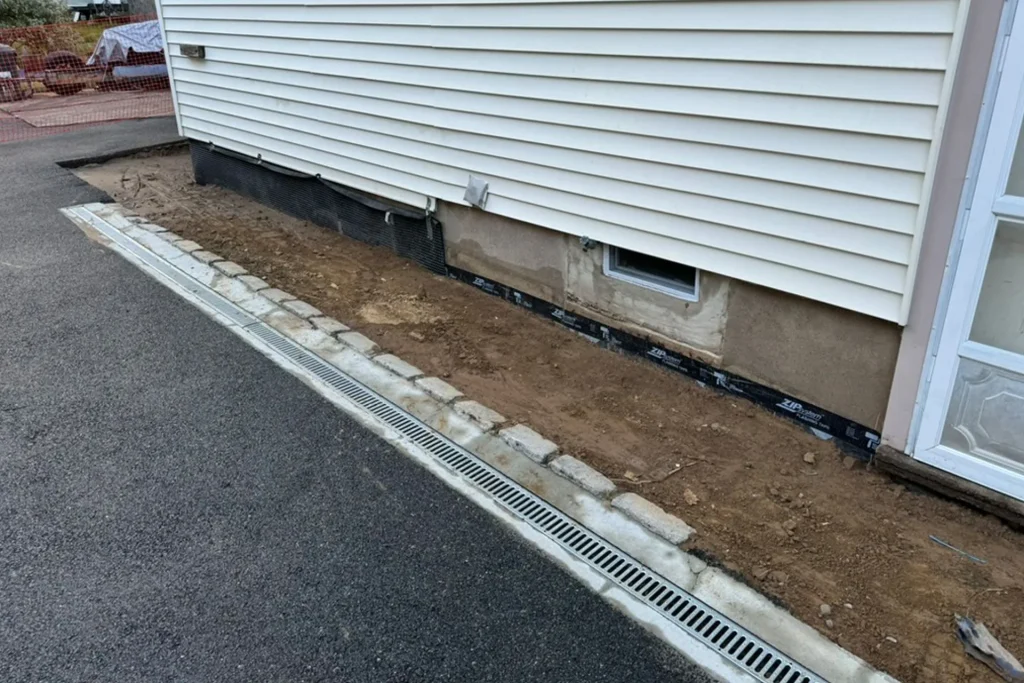
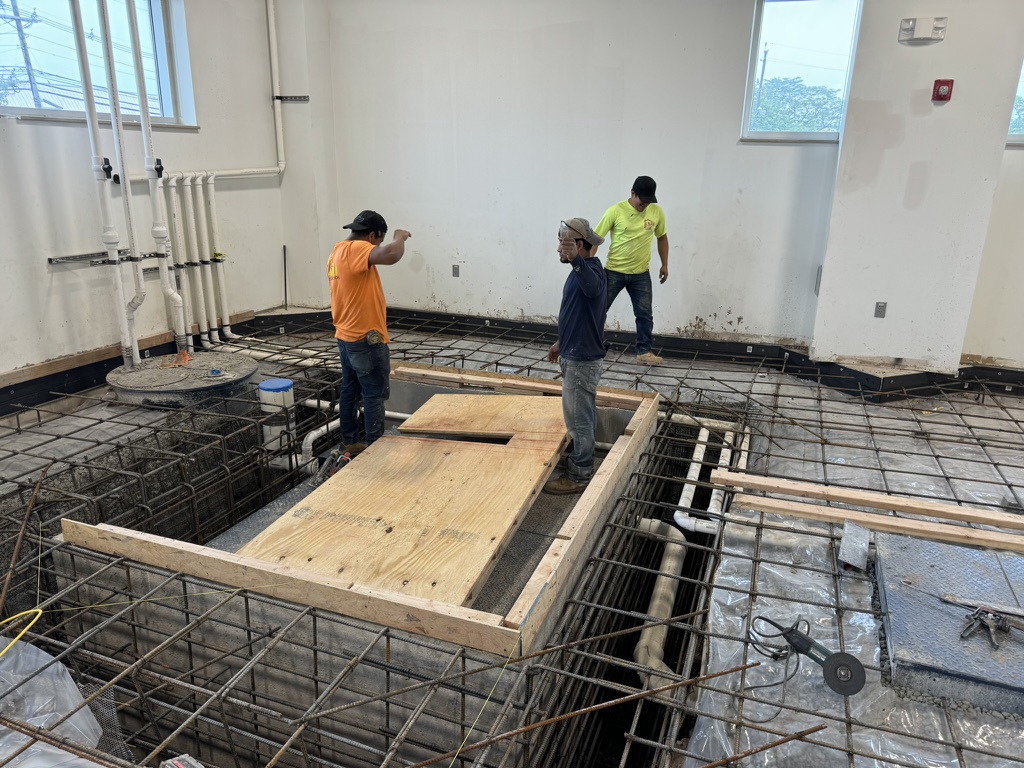
Exterior waterproofing can be the most direct way to stop water before it reaches the wall, especially when excavation is practical and surface drainage defects are severe. It can also be disruptive and expensive, particularly on properties with tight access, decks, stoops, or mature landscaping. Interior drainage systems, when properly designed, do not stop water from reaching the foundation wall, but they do relieve pressure and control where the water goes. In many homes, that makes them a sensible and durable solution.
Crack injection works well on certain poured-concrete cracks, but not as a cure-all for generalized seepage. Dehumidification is valuable, but it manages ambient moisture, not groundwater. Waterproof paints and coatings have their place as supplementary measures on sound masonry, yet they are often oversold as primary fixes for active water intrusion.
That is where experience pays off. A contractor who has spent years in wet basements can usually tell the difference between condensation on an uninsulated duct, seepage through a wall crack, and water rising at the slab edge. The signs overlap, but they are not the same problem.
The cost of waiting
Basement water issues are not always emergencies, but they are almost never cheaper after a few more seasons. Materials at the base of walls tend to degrade first because moisture accumulates low and stays trapped there. Wood absorbs it. Drywall wicks it. Metal rusts. Mold colonizes paper-faced products and dust on framing. If there is a finished bathroom or laundry area in the basement, hidden moisture can spread around plumbing penetrations and behind cabinetry before it becomes visible.
Structural concerns also gain momentum with time. Repeated saturation can contribute to mortar deterioration, spalling surfaces, and greater movement in already stressed walls. On the living side, real estate transactions get harder when buyers smell basement moisture or see fresh patching around old stains. Even when the issue is manageable, uncertainty lowers confidence fast.
For homeowners in New Jersey, the biggest mistake is often assuming that because the basement has only had “a little dampness,” the problem is minor. Small symptoms are not always small problems. They are sometimes just early problems.
Knowing when to call for help
If you notice a musty smell that returns after rain, staining at the lower wall, recurring efflorescence, or cracking that seems active, it is worth having the basement evaluated before you refinish, repaint, or replace damaged materials. If there is bowing, horizontal cracking, or repeated water entry during storms, move sooner rather than later.
The goal is not to panic over every hairline crack or humid day. Basements are below grade, and some level of seasonal moisture challenge comes with the territory. The goal is to understand what is normal, what is changing, and what the hidden side of the wall may already be telling you.
When people search for Basement Waterproofing NJ, they are usually reacting to what they can see. The smarter move is to pay attention to what the basement is quietly signaling before the visible damage arrives. That is where the real savings often are, not just in money, but in avoiding torn-out walls, lost finishes, and the frustration of solving the same “mystery dampness” more than once.
ARD Waterproofing
Address: 98 Smull Ave, West Caldwell, NJ 07006
Phone number: +12016465936
FAQ About Basement Waterproofing NJ
What is the best waterproofing method for a basement?
The best overall approach to waterproofing a basement is a combined exterior and interior system that stops water at the foundation wall and safely manages any moisture that gets through.
What is the average cost to waterproof a basement?
The average cost to waterproof a basement ranges from $2,500 to $15,000, with most homeowners paying around $5,200 for a complete project.
Can a basement be waterproofed from the inside?
Yes, a basement can be waterproofed from the inside, and it is often the most affordable and least disruptive method.